More

Avena RegenAg Protocol

What is ARAP?

Globally, 41% of consumers say sustainability is important buying food and drinks1. Consumers are also aware of green washing and are searching for retail products that have verified sustainability claims2. Avena RegenAg Protocol (ARAP) has been developed in response to this consumer demand.

Anchored in the crop traceability and farmer accountability of Avena Purity Protocol for certified gluten-free ingredients, ARAP is an outcome-based framework for measuring regenerative agriculture (regen ag) farming practices.

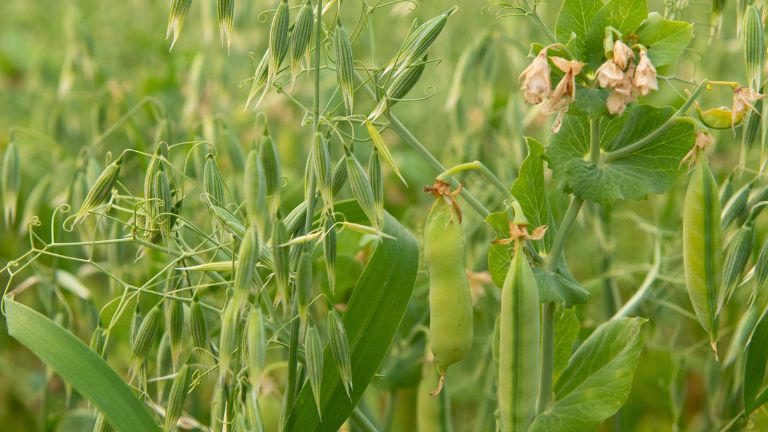
Meeting ARAP standards and having them verified, enables farmers to supply Avena with regen ag oats and peas to mill for inclusion in commercial food and beverage products.

ARAP launched in July 2025. Read more here.
How were the protocols developed?

ARAP regenerative standards started with a survey of existing regen ag verifications, certifications, and company definitions, as well as consultations with regional agronomists from the Canadian Prairies.

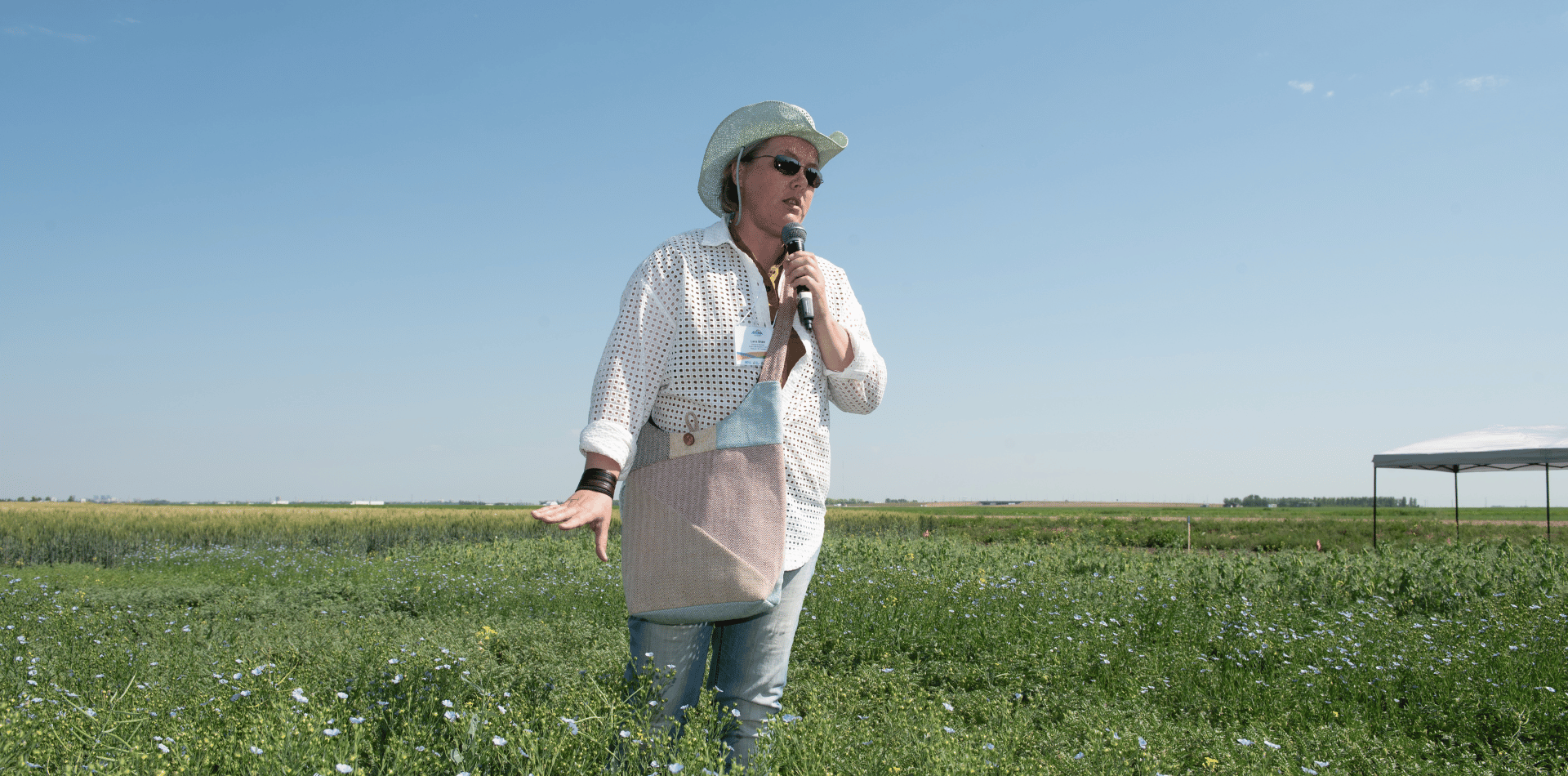
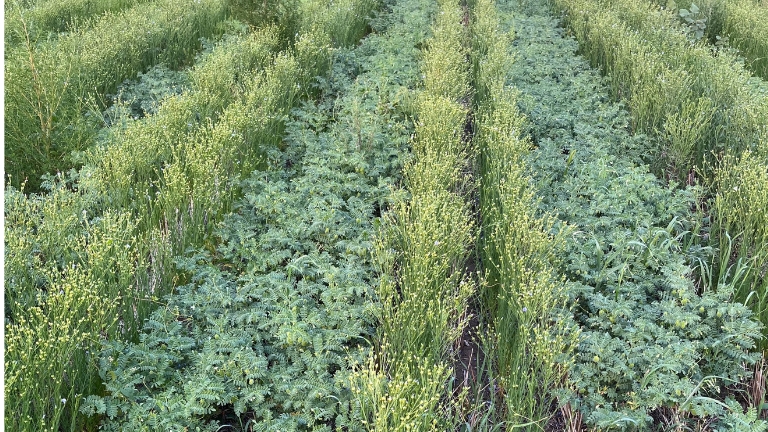
pulse ingredient field plots

What are ARAP standards based on?

Three Core Areas and Seven Pillars

Avena used three core areas of regen ag (soil, biodiversity, and water systems) to identify seven pillars that underpin regen ag for Prairie crops and biomes:

  1. Crop Diversity: Just as people need a varied diet to stay healthy, soil thrives on a spectrum of diverse plants. A varied rotation including nitrogen-fixing crops like pulses is reduces fertilizer need and protects long-term soil health.
  2. Minimizing Tillage: Tilling is an integral part of seeding, residue integration, and weed management, and can reduce the need for pesticides. Too much tilling leaves the soil exposed to erosion and harms the health of the soil.
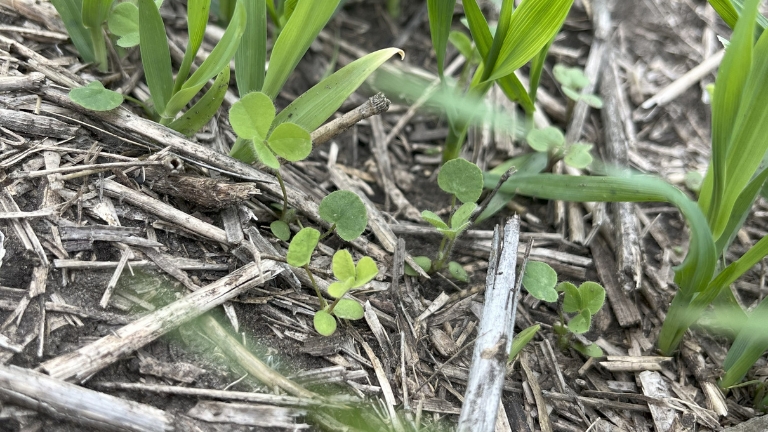
  3. Maximizing Soil Cover: Soil erosion is a major risk to long-term farm fertility. By leaving soil covered with things like catch crops, mulches, or crop residues, erosion can be minimized.
  4. Smarter Pesticide Use: Pesticides, including herbicides and fungicides, are effective at controlling pests and protecting crops, but can harm ecosystem, and even human health, especially if used near bodies of water. Responsible usage of pesticides is a requirement for ARAP.
  5. Smarter Fertilizer Use: Fertilizers, if overused, can lead to eutrophication in bodies of water, decimating surrounding ecosystems. They are expensive and energy-intensive to make and are in many cases overused.
  6. Water System Protection: Water conservation can refer to both water usage and the protection of aquatic ecosystems. Limiting irrigation and ensuring precautions are taken to limit field runoff are essential to water conservation.
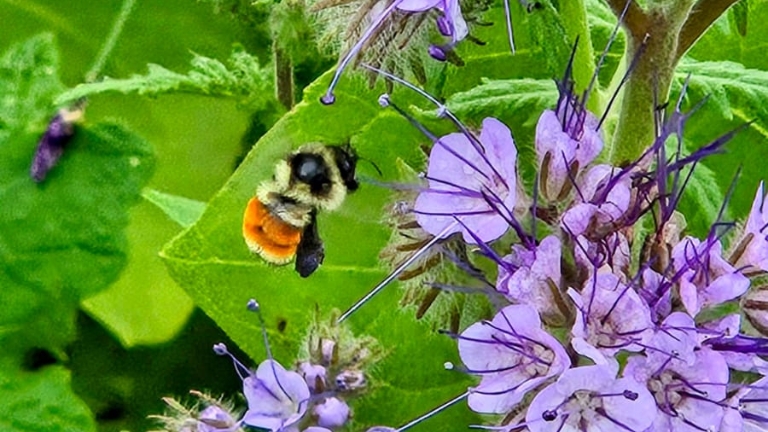
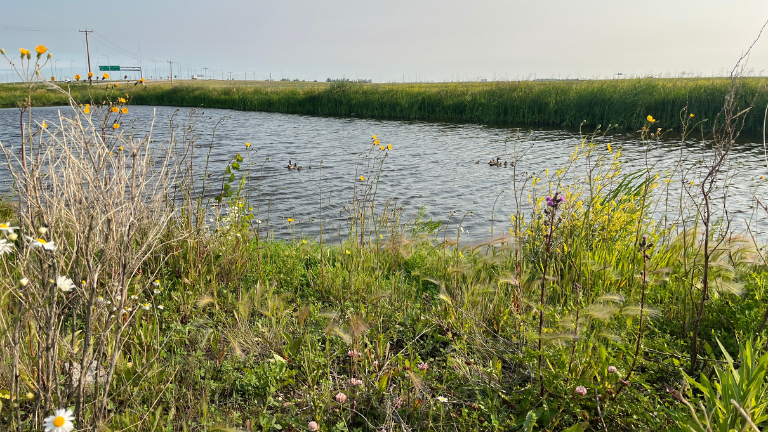
  7. Habitat Preservation: Wild areas serve as habitat and breeding grounds for many native Prairie species, including the beloved Monarch butterflies. By retaining a patchwork of natural areas such as forest stands and pollinator strips across the prairies, ecosystems can restore themselves to a more natural and sustainable state.

How is ARAP verified?

The ARAP framework is an independently verified system of transparent, participatory processes that was developed with diverse stakeholder input across the value chain, from farms to manufacturers.

Independent inspectors or agronomists evaluate ARAP to ensure:

  • meaningful standards have been set
  • the framework is free from conflicts of interest
  • the legal documentation provided by farmers, as well as face-to-face interactions, and annual farm inspections are adequate to verify ARAP standards are being met or surpassed by farmers.

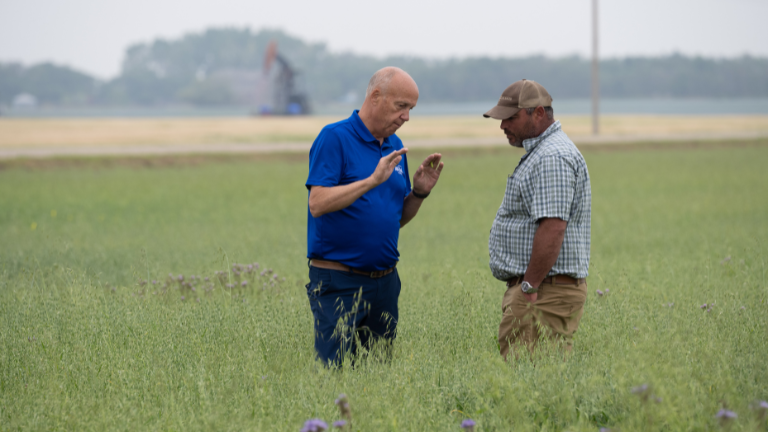
Critical to the program are annual agronomist reviews which include identification of a pathway for each farm’s progression.

ARAP is an expression of Avena’s vision:

Partnering for safe, healthy diets and a sustainable world.

Is there a way to identify ARAP products?

The program includes an ARAP logo (left) which may be licensed by customers for use on websites, social media, packaging, and other marketing materials.

What is Regenerative Agriculture?

ARAP aligns with the Sustainable Agriculture Initiative (SAI) definition of regenerative agriculture as a farming approach that protects and improves soil health, biodiversity, water resources and climate, while also supporting farmer livelihoods, using a framework to guide transition by context analysis, outcome selection, practice adoption, and monitoring for continuous improvement. This definition is outcome based rather than practice based.3 SAI is a globally recognized regen ag verification framework.

Avena Sustainability Impact Projects – Partnership in Action

Avena implements Sustainability Impact Projects (SIPs) that aim to explore alternatives in farm practices. SIPs function by partnering across Avena’s value chain, with customers, farmers, researchers, and agronomists.

Currently, Avena is operating SIPs to support innovation in the farm practices of intercropping, cover cropping, and pollinator strips.

How can we support your sustainability goals?

CONTACT US

  1. Innova Insights, 2025. https://www.innovamarketinsights.com/reports/top-10-food-and-beverage-trends-2025/
  2. Hartman “Sustainability 2025: Do Consumers Care? https://www.hartman-group.com/reports/download/274144747
  3. “Regenerating Together A global framework for regenerative agriculture”, SAI Platform, September 2023. https://saiplatform.org/wp-content/uploads/2023/09/sai-platform_-regenerating-together_september-2023-1.pdf