2026 Mid-Summer Crop Report
Avena Mid-Summer Crop Report
From the desk of Mike Gallais, Director of Procurement
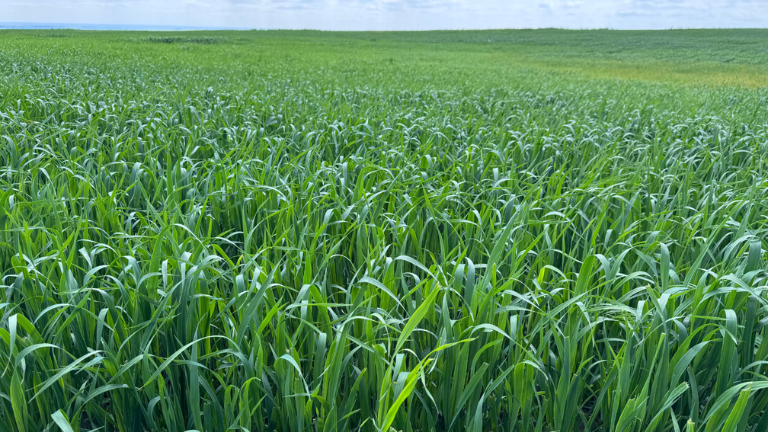
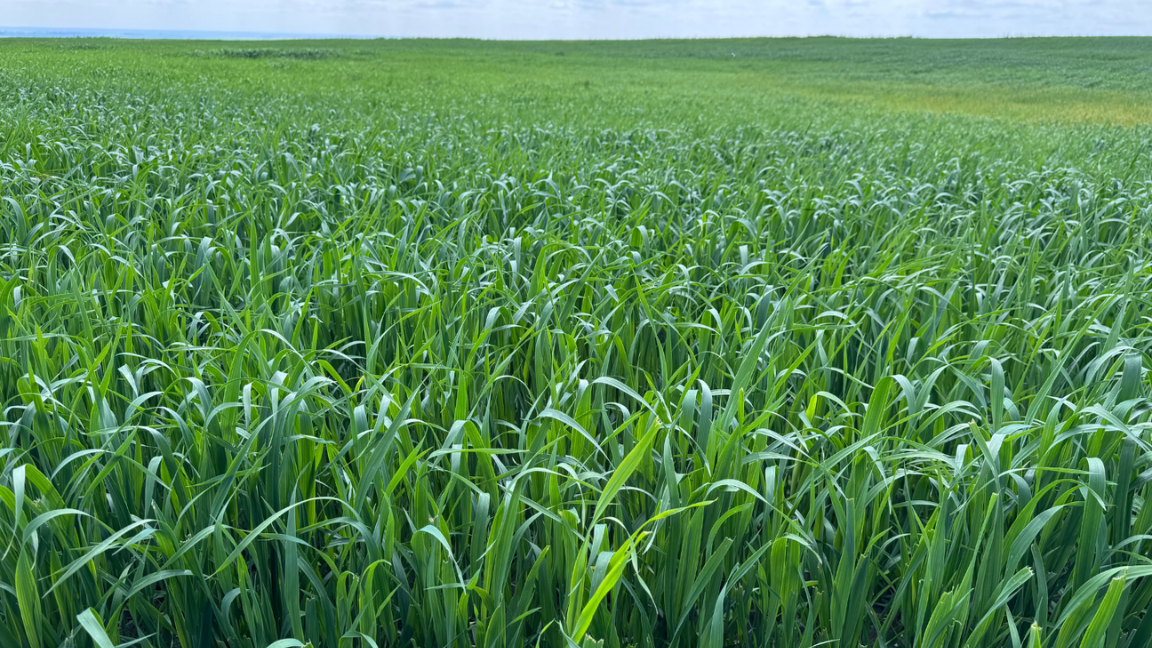
It’s hard to believe that we are already in July. The biggest surprise is that the crop is seeded and off to a great start?!?
A cool, wet spring created doubt that seeding would be completed in time. Pockets of excessive moisture meant delayed seeding or, in some areas, no seeding at all. However, the land dried somewhat early in June, providing a window for fieldwork. Toward the end of the month there was additional moisture, slowing down seeding once again.
What is the recipe for a good 2026 crop? We need hot weather – 25 degrees Celsius or warmer – followed by another round of rain in mid-July. This could give us a bin busting event.
An additional challenge is that the crops are growing so fast that there is less time than usual to spray for weeds. Add wet conditions, and it is a challenge to complete this task. We may see a lot more aerial applicators buzzing around fields that are too wet to access with ground rigs.
Pulses
Pea acres are down by 10%. Last year we saw more green peas seeded. With the current carryover of greens, we will see a shift back to yellows and a more traditional split in the green / yellow pea acres.
Lentil acres are decreased by 5%. However, the acres will shift back to red lentils from small greens. We have a large carryover of green lentils that will be needing a home. With the moisture that we have received, Mother Nature may just have a plan for that carryover!
There was good carryover of chickpeas from last year as well. Early indications were that we would see an increase in acres this spring, but it now looks like acreage will be flat to down from last year. Continued rainfall is creating prime conditions for the crop disease Ascochyta. A wet canopy every night raises havoc with the chickpea crop.
Canada 2026 Pulse Acreage Drops Sharply, Driven by Lower Pea and Lentil Seedings
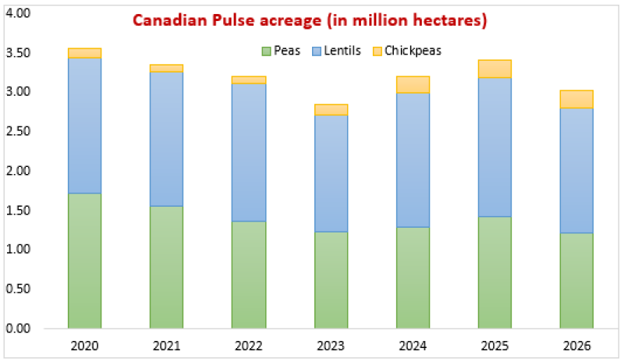
Source: Statistics Canada
Oats
Oats are tough to predict. Seeding intentions went out the window with the late spring. Acres are down at least 5-10% this year, though it is possible that some of the wheat acres in the prime oat growing areas may have moved into oats and barley. Both have a shorter growing season than wheat.
There were pockets where the crop didn’t get seeded because it was too wet. Some areas of Manitoba that did get seeded were hit with a seven-inch rainfall, which flooded out whatever had been seeded. The oat crop in eastern Saskatchewan will be struggling with the volume of rain that they have had – some areas have had as much as 15 inches in the past two weeks. However, overall, the soil moisture is currently good to excellent.
We are now only 45 days away from a bin buster! Fingers crossed!