2025 End of Season Crop Report
2025 End of Season Crop Report – Oat and Pulse Market
From the desk of Mike Gallais, Director of Procurement
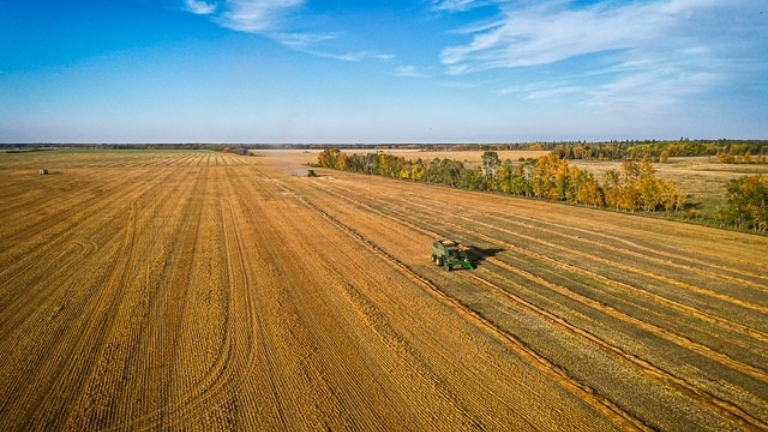
Our farming community began harvest slightly later this year. Little or no May rainfall resulted in uneven crop emergence. This was complicated by a regrowth of crops and weeds due to abundant moisture in late July and early August. We ended up with uneven crop maturity and delayed harvest as farmers waited for the ripening of less mature crop.
Harvest finally got underway in mid-August, eventually finishing in late October. Canola and chickpeas were most affected by this season’s weather. They didn’t want to ripen.
Crops in Saskatchewan were above the 10-year average. For the spring-seeded cereal crops, oats yielded the highest at 94.4 bushels per acre, with barley at 70 bushels per acre and hard spring wheat at 51.5 bushels per acre. Durum yielded 39.4 bushels per acre. Pulse crops also yielded well in many areas, with field peas yielding 40.8 bushels per acre. Lentils and chickpeas were very close, both averaging 1,750 pounds per acre.
Most of these crops were in the top two grades. There was some moisture and frost in the middle of September which knocked some of the cereal crops and pulses into the lower grades.
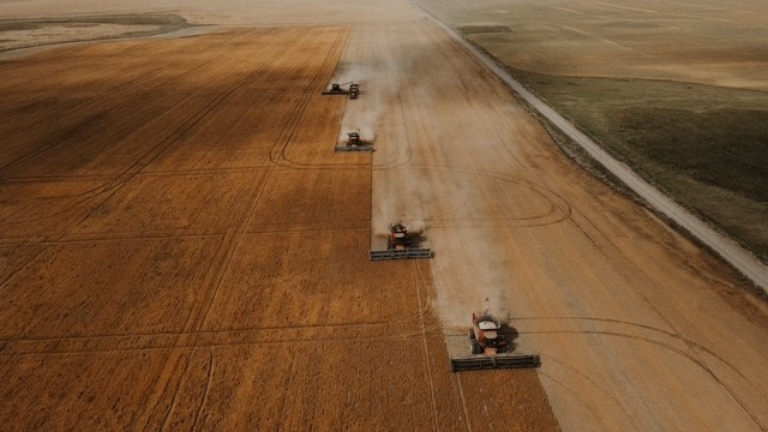
The bigger question now is: what are we seeing in the markets? Every crop is down in price compared to the five-year average. Meanwhile, the cost of fuel, fertilizer and pesticides remains high. Add to this the cost of land (purchased or rented), equipment and everything else – all are still very expensive. While they are getting their fields ready for next year, farmers are adding things up. With current prices for crops in the bin, the numbers do not add up to profitability. Net farm income is down this year from the last several years. This looks like it is going to be a tough year ahead for farmers.
As for next year, current topsoil moisture levels vary in the province. In general, the eastern half has sufficient soil moisture levels and the western half has drier soil conditions. On average, cropland topsoil moisture is currently rated at 4 per cent surplus, 55 per cent adequate, 33 per cent short and 8 per cent very short. We will see what mother nature brings us for snow and spring rains.
The few producers that still have crops in the field are wrapping up harvest, while most producers are continuing with fall field work prior to freeze-up. They have been applying fertilizer and spraying for weeds. Currently, grain producers continue to harrow fields, pick rocks and service equipment. Livestock producers are currently marketing cattle, moving animals off the pasture and hauling bales.
Producers will enjoy a break from field work this winter but will be busy planning for the 2026 season. Hopefully we are only 12 months away from the best crop ever!